


You've logged the miles. You've pushed through the final kilometre. But here's the truth most runners overlook: the run is only half the work. What you do in the hours after — how you cool down, what you wear on your feet, how you treat your body — determines how well you'll perform next time.
Recovery isn't passive. It's a discipline. And for runners who want to stay consistent, injury-free, and performing at their best, it deserves as much attention as the training itself.
Why Recovery Matters for Runners
Every run creates micro-tears in your muscle fibres. That's not a bad thing — it's how you get stronger. But only if you give your body the time and conditions to repair. Skip recovery, and those micro-tears accumulate. Fatigue builds. Injury risk climbs. Performance plateaus.
The best runners in the world don't just train hard — they recover harder. Sleep, nutrition, mobility work, and the right footwear all play a role in how quickly and completely your body bounces back.
The Most Common Recovery Mistakes Runners Make
- Stopping cold. Going from full effort to sitting on the couch immediately spikes muscle soreness. Always cool down with 5–10 minutes of easy walking.
- Skipping the stretch. Post-run, your muscles are warm and pliable — the ideal time to work on flexibility. Focus on calves, hamstrings, hip flexors, and quads.
- Neglecting nutrition timing. The 30–60 minute window after a run is critical. Aim for a combination of protein and carbohydrates to kickstart muscle repair.
- Staying in running shoes. Hard, performance-oriented running shoes keep your feet in a compressed, supported position. After a run, your feet need to decompress and breathe.
- Underestimating sleep. Most muscle repair happens during deep sleep. Aim for 7–9 hours, especially on heavy training days.
Building a Post-Run Recovery Routine
A solid recovery routine doesn't need to be complicated. Here's a simple framework to follow after every run:
- Cool down walk (5–10 min) — Gradually bring your heart rate down.
- Dynamic stretching (10–15 min) — Focus on the major muscle groups used in running.
- Refuel — Protein shake, Greek yoghurt with fruit, or a balanced meal within the hour.
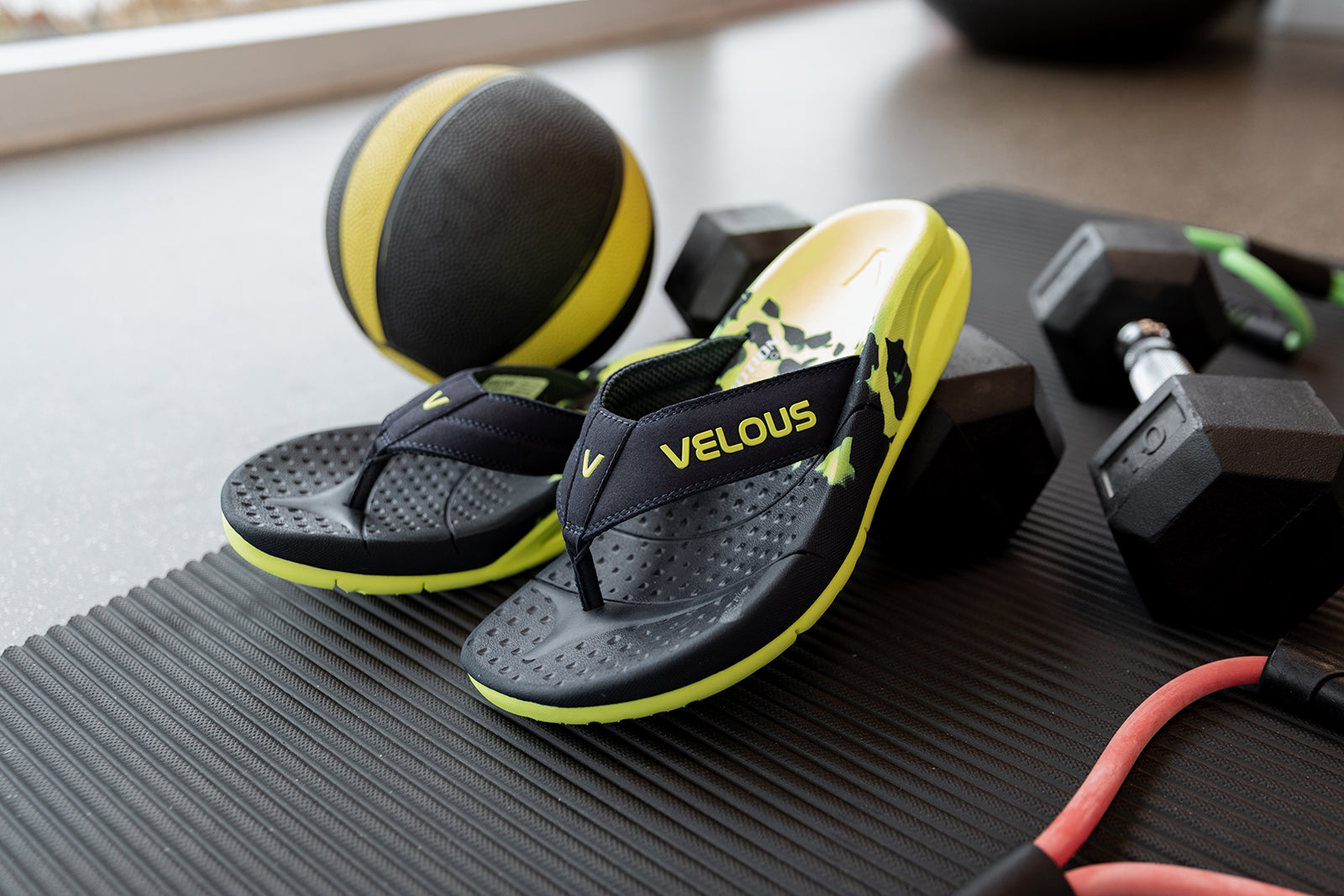
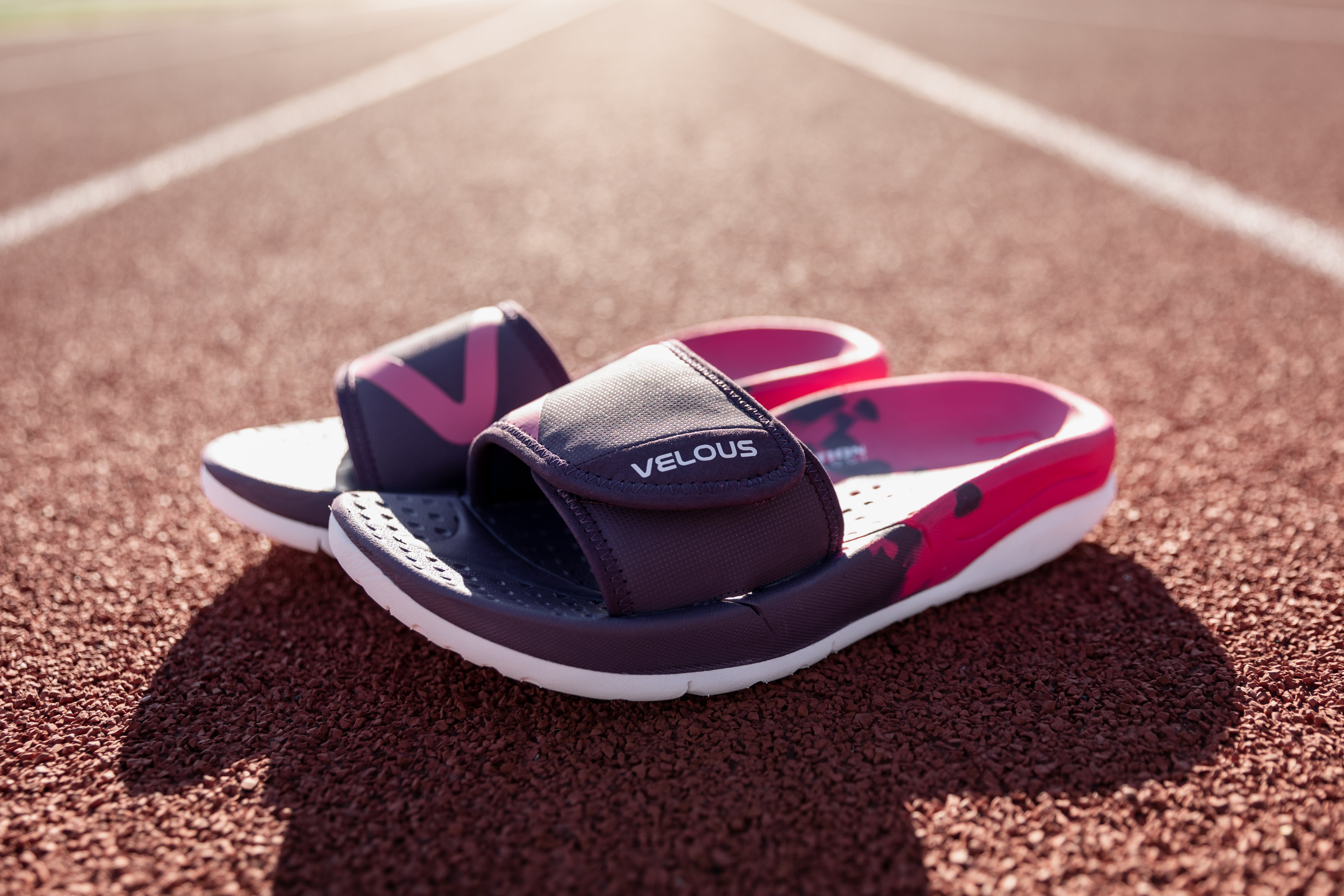
- Switch your footwear — Slip into recovery sandals to let your feet decompress and promote circulation.
- Hydrate — Aim to replace fluids lost during the run. Add electrolytes if you ran for more than an hour.
- Rest or active recovery — Light walking, swimming, or yoga on rest days keeps blood flowing without adding stress.
The Role of Recovery Footwear
One of the most underrated tools in a runner's kit is a quality pair of recovery sandals. After miles of impact, your feet carry a significant load — and the wrong footwear post-run can undo a lot of the recovery work your body is trying to do.
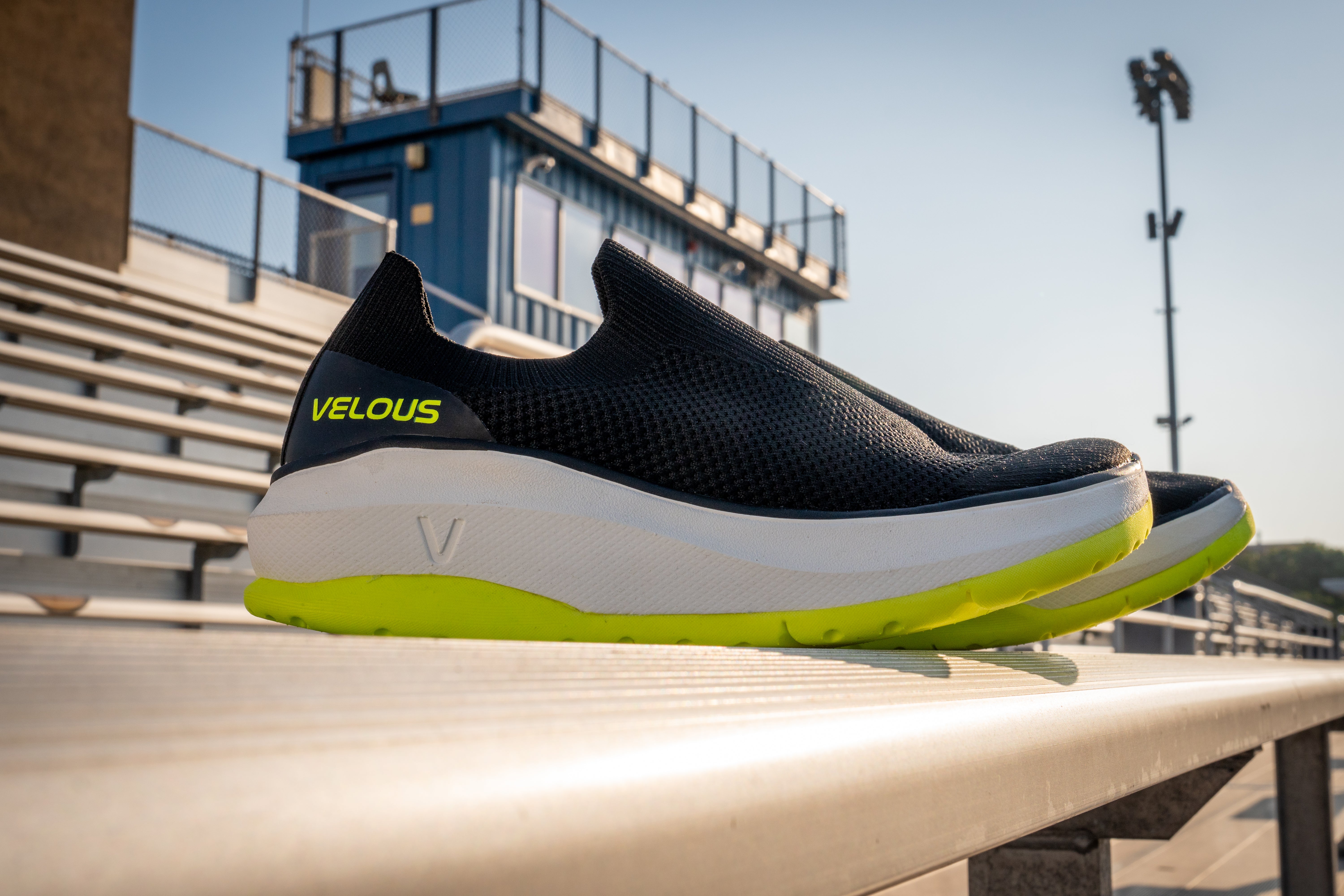
VELOUS recovery footwear is engineered specifically for this moment. Our Tri-Motion™ Technology supports the natural movement of the foot, while the Foamotion™ Formula midsole absorbs residual impact and promotes active cushioning with every step. The result: your feet recover faster, your legs feel fresher, and you're ready to run again sooner.
Think of recovery footwear not as a luxury, but as part of your training kit — as essential as your running shoes themselves.
How Often Should You Actively Recover?
Recovery isn't just for race day or long run days. Build it into every session:
- After every run: Cool down, stretch, refuel, switch footwear.
- Rest days: Light movement, foam rolling, and prioritising sleep.
- Weekly: One full rest day with no structured training.
- Monthly: A deload week with reduced volume to let your body fully adapt.
Final Thought: Train to Recover
The runners who last — who stay injury-free, who keep improving year after year — are the ones who treat recovery as seriously as their training plan. It's not about doing less. It's about doing the right things after you've given everything on the road.
Start with the basics: cool down properly, eat well, sleep enough, and give your feet the recovery they deserve. Your next run will thank you for it.
Leave a comment